Just Diagnosed?
What to Do First
Your veterinarian comes first. The guide explains what to do now, and how to stay calm and observant while you do it.
Read the First Steps
FREE SHIPPING ON ORDERS OVER $79.95! FREE SHIPPING OVER $79.95!
Boots for Horses with Laminitis
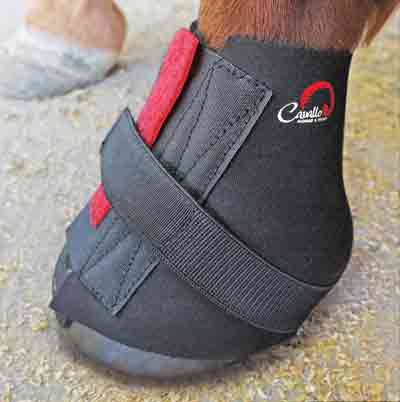
Cavallo boots for laminitis give cushioned, removable support to horses managing the condition. Choose a boot, add pads for comfort, and wear them with your veterinarian’s guidance.
Read the Laminitis Guide
Just Diagnosed?
Your veterinarian comes first. The guide explains what to do now, and how to stay calm and observant while you do it.
Read the First StepsPlanning the Recovery?
There is no single pathway. The guide helps you shape a plan with your veterinarian and hoof-care professional.
Read the PlanReady for Boots?
Pick a boot, add pads, and protect the pastern for longer wear.
Build Your SetupLaminitis Boots for Horses
Horse boots for laminitis are sized to the hoof, then built up with pads and, for full-time wear, protection for the pastern.

A soft, flexible upper in tough TPU, a padded collar and a padded leather heel that molds to the heel bulbs. Water-resistant and quick-drying for full-time wear.
Smaller or bigger feet?
 Mini HorsesCute Little Boot (CLB)


Not sure of your horse’s size? Measure after a fresh trim and check the fit as the hoof grows.
Using Your Boots
Short, practical steps. Always follow your veterinarian’s advice for your horse.
The Break-In Schedule
Add 15 minutes a day while there is no irritation. In an emergency the schedule may be skipped.
Remove the boots every day to look for irritation or debris, and watch for redness or hair loss.
Hoof Support in the GuideWash with a hose or brush, and with gentle antibacterial soap. We recommend taking the boots off at least once a day to check the hoof and to rinse or air out the boots.
For full-time wear, add pastern wraps, comfort sleeves or vet wrap to reduce friction.
Shop Pastern WrapsCavallo Hoof Boots can be left on nearly 24/7 during turnout. We recommend taking the boots off at least once a day to check the hoof and to rinse or air out the boots.
When boots are worn around the clock, mix a solution of 50 percent apple cider vinegar and 50 percent water, and spray it into the boot and onto the hoof sole. We recommend doing this daily to help prevent bacterial build-up inside the boots. Check with your veterinarian before beginning any hoof-care routine.
Boot Care in the GuideQuestions Shoppers Ask
Yes. Cavallo Hoof Boots can be left on nearly 24/7 during turnout. We recommend taking the boots off at least once a day to check the hoof and to rinse or air out the boots. Protect the pastern.
Start with 15 minutes on day one and add 15 minutes a day while there is no irritation, until the boots mold to the heels.
Every Cavallo style supports therapy, from the mini CLB to the draft BFB. Among these, the Cavallo Trek Boot stands out as the top choice for laminitis recovery, rehabilitation, and turnout. Start with the right size for your horse, then add pads for comfort.
See All Hoof BootsBoots cushion and support a sore foot, which can make standing and walking more comfortable while the foot heals. They are one part of a plan your veterinarian leads, alongside nutrition and trimming.
Boots are sized to the hoof. Measure after a fresh trim, then check the fit as the hoof grows.
How to MeasureNo. Boots are one part of a larger plan and cannot make up for poor nutrition, inappropriate trimming or an undiagnosed metabolic disorder. Work with your veterinarian.
The Full Recovery Plan in the Guide
From People Who Use Them
My horse came down with laminitis this summer, and he had Cavallos on all 4 with the pads. It relieved him so much and made the healing process faster. I’ve used Cavallos for ages, and I couldn’t imagine using any other boots! Also, my vet approved them. Pain-free again, and Cavallo has a great part in that.

He’s really walking great!!!
Rebel has recovered from laminitis and has to be kept barefoot. Cavallo boots will allow him to go on gentle trail rides that he loves. He’s doing great as you can see adjusting to the boots. I followed your video on how to break them in and it was a big help. He’s a Rocky Mountain Horse. Rebel was a patient at Cornell Ruffian Equine Hospital in NY last year and they recommended the Cavallo boots. Just thought you would like to know how I found out about your product. I’m very careful to do whatever I can to keep those hoofs healthy. He’s really walking great!!!
Want the Full Picture?
Signs, causes, diagnosis, hoof care and everyday support. Boots are one part of that plan.

Sign up for our newsletter to get 10% off your first order, alongside exclusive promotions, industry news, tutorials, and more!

Cookies
We use cookies to enhance your browsing experience, serve personalized ads or content, and analyze our traffic. By clicking "Accept All", you consent to our use of cookies.
Discount Applied Successfully!
Your savings have been added to the cart.