Thin Soles in Horses: Causes, Signs, and How to Keep Your Horse Comfortable
When a horse has thin soles, there is simply less protective horn between the ground and the internal structures.
This guide is intended for general education and does not replace veterinary diagnosis or treatment. If you suspect your horse has thin soles, contact your veterinarian.
Last reviewed:
Your horse happily walks across the pasture, yet the moment the trail turns rocky, everything changes. They shorten their stride, search for the softer edge of the path, or hesitate before stepping onto gravel. It’s easy to assume they simply have “tender feet,” but your horse may be telling you something much more specific.
Thin soles are one of the most common reasons horses become uncomfortable on hard or uneven ground. The sole forms an important layer of protection beneath the hoof, cushioning the sensitive structures inside the foot from the constant concussion of everyday movement. When there isn’t enough healthy sole, even ordinary footing can become painful.
The encouraging news is that thin soles are not necessarily permanent. Hooves continually grow and adapt throughout a horse’s life. With balanced trimming, appropriate nutrition, comfortable movement and protection when it’s needed, many horses develop stronger, healthier soles and regain the confidence to move freely.
What Are Thin Soles?
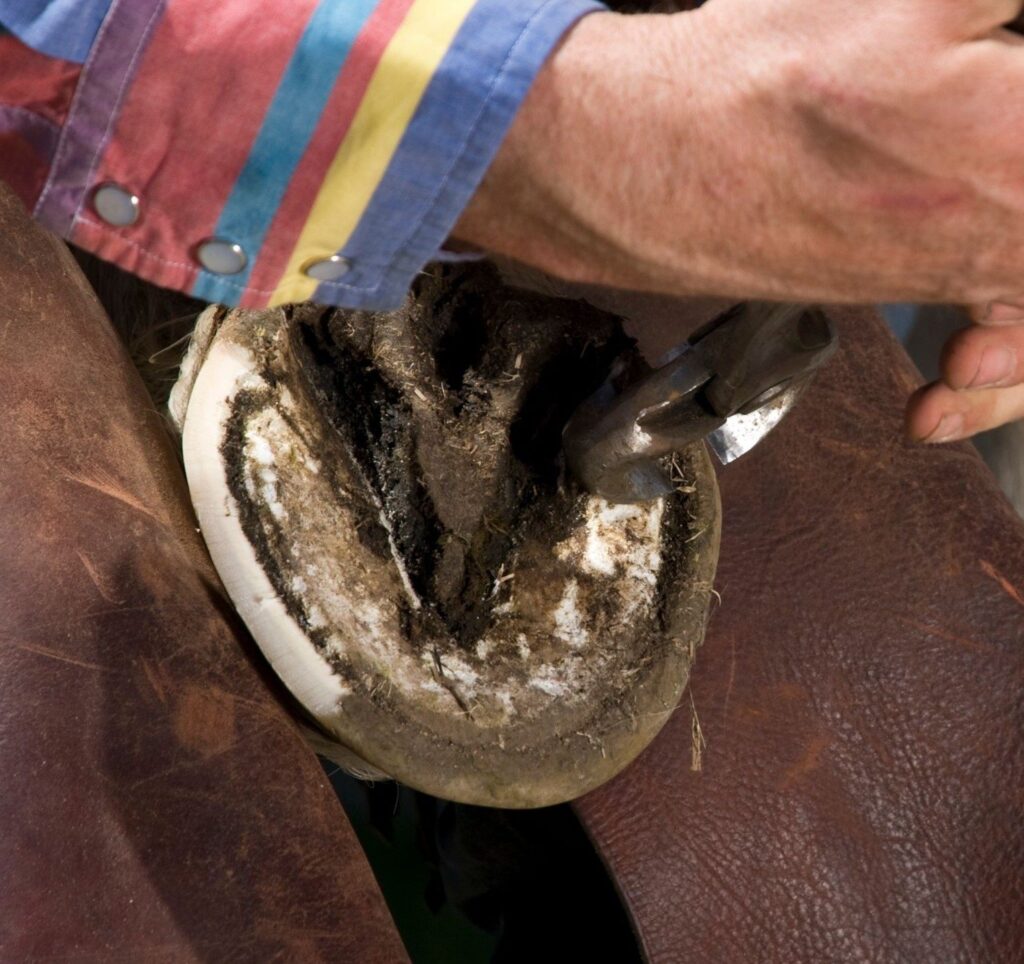
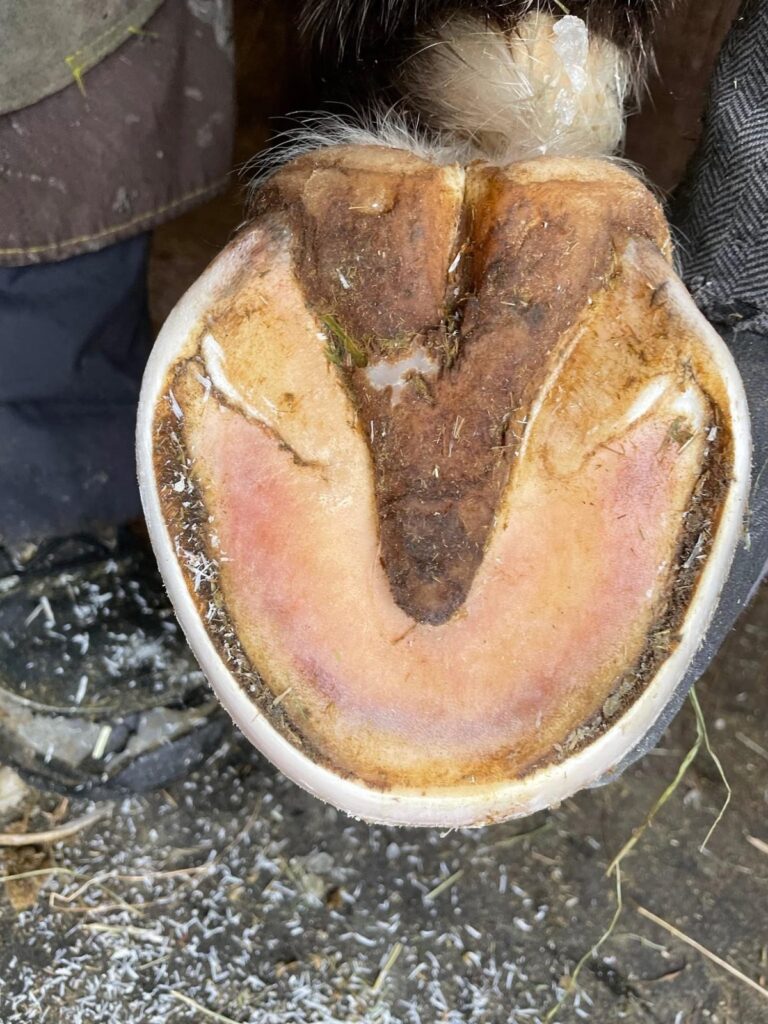
The hoof sole is the concave structure on the underside of the hoof, surrounding the frog. It helps protect the coffin bone, also called P3, along with the digital cushion, blood vessels, nerves, and other sensitive tissues inside the foot.
A healthy sole is firm, resilient, and thick enough to help absorb and distribute concussion. It works with the hoof wall, frog, and internal structures every time the horse takes a step.
Like the hoof wall, the sole is always growing. New horn grows from within the foot while older sole naturally wears away and exfoliates as it is ready to shed. When a horse has thin soles, there is simply less protective horn between the ground and the internal structures.
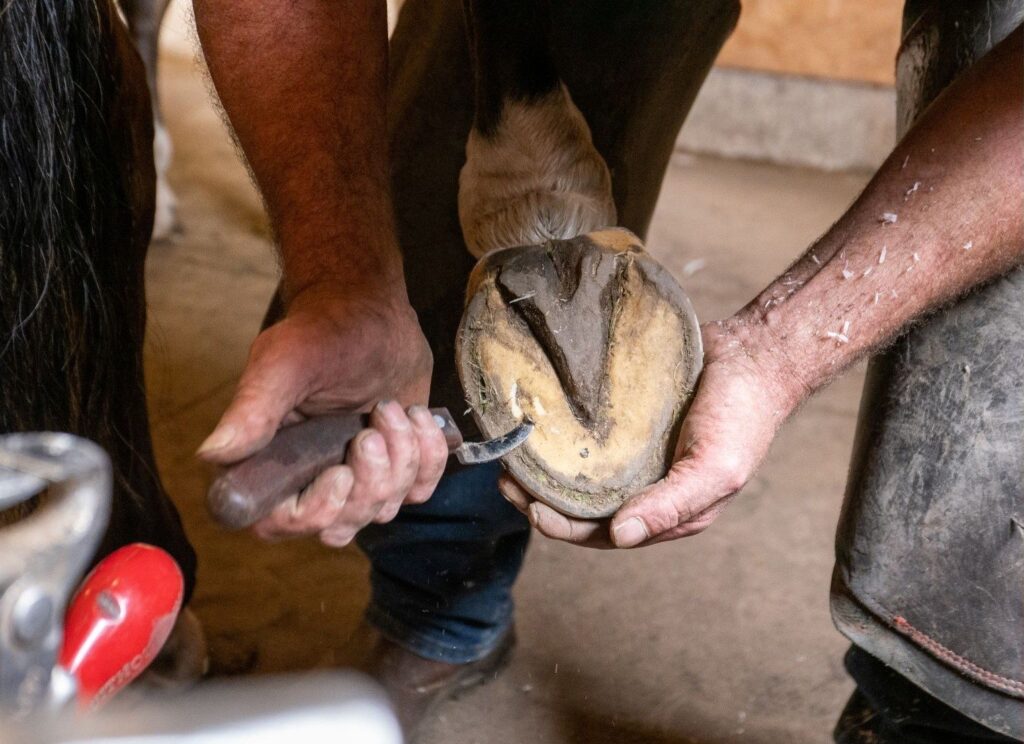
During trimming, the aim should generally be to preserve healthy live sole whenever possible, rather than removing the very tissue the horse depends on for comfort.
Thin soles are not a diagnosis on their own. Instead, they describe a physical characteristic of the hoof that may develop for several different reasons.
How Much Sole Should a Horse Have – How Thin Is “Thin”?
Looking at the bottom of a hoof rarely tells the whole story.
Two hooves may look similar from the outside but have very different amounts of protective sole beneath them. An experienced veterinarian or hoof care professional may suspect thin soles based on your horse’s history, movement, sole concavity, palpation, and hoof appearance, but radiographs (X-rays) remain the only reliable way to measure sole depth accurately.
On a radiograph, veterinarians measure the distance between the bottom of the coffin bone (P3) and the hoof’s ground surface.
Although every horse is different, many veterinarians consider a sole depth of approximately 15 mm or more desirable for comfortable performance, while less than about 10 mm is generally considered thin and increases the risk of bruising and soreness. These values should always be interpreted alongside the horse’s size, conformation, workload, and overall hoof health.
Radiographs help answer an important question: are thin soles truly responsible for your horse’s discomfort, or is something else contributing? This information guides trimming decisions and helps your veterinary and hoof care team develop the most appropriate management plan.
What Causes Thin Soles and Why Is My Horse Sore?
There is rarely a single cause. Some horses naturally have thinner soles because of their genetics or hoof conformation, while others develop them over time through a combination of environment, management and hoof care.
Common contributing factors include:
Excessive wear on abrasive terrain
Repeated work on hard or rocky footing
Previous hoof damage
Poor hoof quality
Long intervals between trims that allow the foot to become imbalanced
Quality of nutrition and balanced minerals
Trimming practices that remove too much healthy sole
Certain hoof or metabolic conditions that affect hoof growth
In many horses, several of these factors occur together. Rather than looking for one simple explanation, it’s more helpful to understand the whole picture and address the factors you can influence.
Signs Your Horse May Have Thin Soles – Learning to Read What Your Horse Is Telling You
Horses don’t always announce that their feet hurt. More often, they make subtle adjustments that are easy to miss until you know what to look for.
A horse with thin soles may move freely across soft footing yet hesitate when the ground becomes hard, rocky or uneven. They may shorten their stride, seek out the softer edge of a trail or become noticeably more cautious on gravel. Some horses are tender after trimming, while others bruise easily or react when a veterinarian applies hoof testers.
You may also notice reluctance to turn sharply on firm ground or soreness after a long ride over challenging terrain. Quite often, these subtle signs are your horse’s way of avoiding discomfort. Noticing these small changes lets you intervene before they become bigger problems.
How Are Thin Soles Diagnosed?
Thin soles describe a hoof characteristic rather than a diagnosis. That’s why a thorough examination from your veterinarian and hoof care professional is so important.
They will consider:
Your horse’s history
Type of footing the horse lives and works on
Hoof balance
Wear patterns
Signs of bruising
Response to hoof testers
Movement on different surfaces
And lastly:
X-rays/Radiographs
When thin soles are suspected, radiographs provide information you simply can’t gather by looking at the hoof alone. They accurately measure sole depth, reveal the position of the coffin bone and identify other issues that may be contributing to your horse’s discomfort. This information lets you base trimming decisions and management plans on facts rather than guesswork, giving your horse the best chance of long-term comfort.
Noticeable discoloration and bruising in a horse with severely compromised sole depth can make a thin-sole diagnosis easy.
Can Thin Soles Improve?
In many horses, yes, they can!
The hoof is a living, dynamic structure that continually produces new horn throughout your horse’s life. Improvement doesn’t happen overnight, and it depends on the underlying cause, but consistent care can often develop healthier soles.
Patience is essential. A hoof capsule takes close to a year to grow from the coronary band to the ground, so meaningful change happens gradually rather than in a matter of weeks.
Instead of searching for a quick fix, focus on creating the best possible conditions for healthy hoof growth. That means balanced trimming, a nutritious diet, an environment that encourages comfortable movement and protecting the foot when needed. In some horses, particularly those compensating for long-standing discomfort, bodywork or equine massage may also help improve movement patterns and overall comfort.
Your Cavallo “Cheat Sheet” for Thin Soles!
Helping Your Horse Stay Comfortable
Successfully managing thin soles is rarely about one magic solution. It’s usually a combination of thoughtful hoof care, good nutrition, appropriate footing and allowing the hoof time to rebuild. Each piece contributes to stronger, healthier feet.
Balanced Trimming Makes All the Difference
A well-balanced hoof distributes weight and concussion more evenly, reducing excessive stress on any one area of the foot. Just as importantly, careful trimming preserves healthy live sole rather than removing the very tissue your horse depends on for protection.
One of the biggest misconceptions is that more trimming always produces a better hoof. In reality, healthy live sole is there for a reason. Once it’s removed, your horse has less protection between the ground and the sensitive structures within the foot.
A skilled hoof care professional understands the difference between an exfoliating sole that is naturally ready to shed and live sole that should remain intact. Every trim should leave your horse more comfortable, not less.
Building Better Hooves from the Inside Out
The quality of the hoof directly reflects the quality of the nutrition available to build it. Strong, resilient horn requires adequate energy, quality protein, vitamins and minerals.
If hoof quality is poor or growth seems slow, it’s worth reviewing the diet with your veterinarian or an equine nutritionist to ensure your horse’s nutritional needs are being met.
No supplement can compensate for an unbalanced diet, but good nutrition provides the foundation upon which healthy hooves are built.
The Environment Matters More Than You Think
The ground your horse lives and works on has a tremendous influence on hoof comfort and durability. Constant exposure to hard, rocky or frozen footing increases concussion and wear, while persistently wet conditions can soften hoof horn and reduce its durability.
Neither extreme is ideal. Whenever possible, horses benefit from a variety of appropriate surfaces that encourage comfortable movement without excessive wear.
The goal isn’t to protect the hoof from every challenge, but to avoid overwhelming it while allowing it to strengthen naturally.
Comfortable Movement Encourages Healthy Hooves
Movement stimulates circulation within the hoof and plays an important role in maintaining healthy tissues.
A horse that moves comfortably generally develops healthier feet than one that stands still because every step hurts. That doesn’t mean asking a sore horse to simply “push through it” is a good idea.
Pain reduces movement, and reduced movement slows many of the natural processes that support hoof health. Sometimes the most productive thing we can do is make movement comfortable enough that the horse chooses to move naturally again.
Where Hoof Boots Can Help – Instant Comfort for Your Horse
There are times when the hoof simply needs a little extra help.
Often, the simplest solution is the best one. Adding temporary hoof protection can make the difference between a horse avoiding movement and one that walks comfortably enough to continue strengthening the foot.
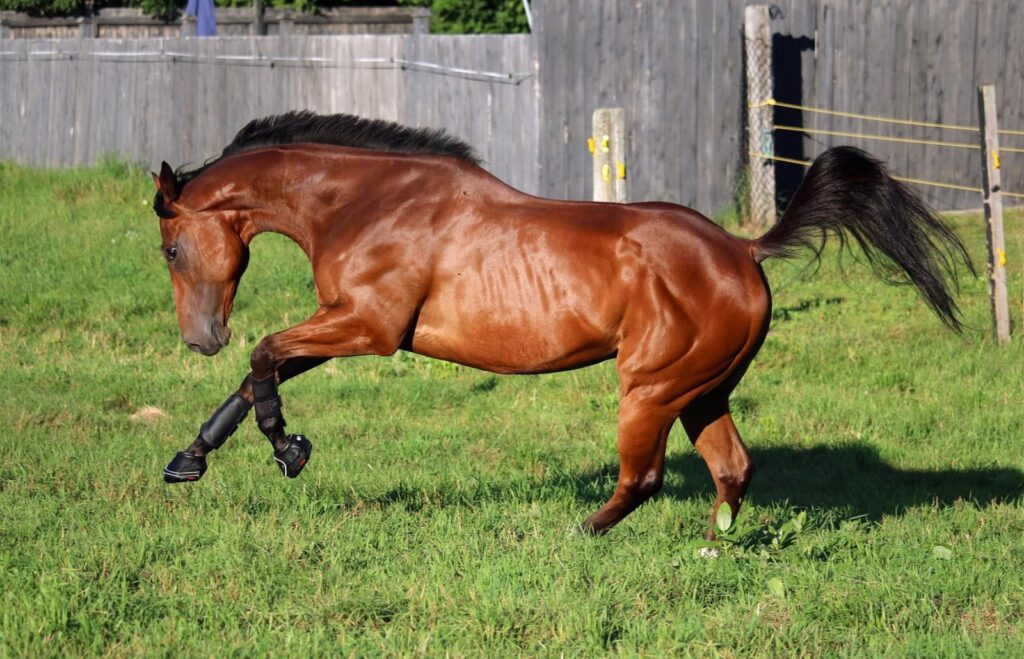
Hoof boots create a protective barrier between the sole and the ground, reducing concussion on gravel, rocky trails, frozen ground and other challenging surfaces.
Many horses benefit even more when the boots are paired with cushioning pads, which help absorb shock and distribute pressure more evenly.
Some horses only need boots for riding, while others benefit from wearing them during turnout on particularly hard or uneven footing. The objective isn’t to keep the hoof permanently covered. It’s to provide protection when it’s needed, while allowing the hoof to continue functioning and developing the rest of the time naturally.
Used alongside balanced trimming, good nutrition and veterinary guidance, hoof boots don’t replace good hoof care – they complement it.
Hoof boots can keep your horse comfortable while a healthier sole continues to grow.
Here is what Meg Parker from Ontario, Canada, noticed with her gelding Parker:
“I wouldn’t use any other boots for my horses! After seeing how amazing these boots were helping my late QH with contracted heels, I knew I had to have a pair for my Shire! Back when he arrived, I couldn’t figure out why he didn’t want to go back into his pasture (lives out 24/7/365) during the winter – the ground was frozen, lumpy and unpleasant – after realizing it was his thin soles, I ordered some Cavallos after hearing they now had draft sizes! After a few days of getting used to his boots, he was confidently walking around his field without issues! Absolutely in love with the fact that he can wear these for as long as he needs to without worrying about rubs and discomfort! These have also been amazing for helping provide extra support when he injures a muscle during the wet muddy season! Multi-use boots I recommend to everyone!”
Looking Ahead – Navigating a Thin Sole Diagnosis with Hope
Thin soles don’t have to mean the end of trail rides, turnout or an active life.
Understanding what the sole does, recognizing the early signs of discomfort and working with your veterinarian and hoof care professional allows you to make informed decisions before soreness becomes a larger problem.
Most importantly, remember that the hoof is constantly changing. Given the right conditions, it has an extraordinary capacity to grow, adapt and become stronger over time. Improvement doesn’t happen overnight, but every comfortable step supports the next one.
Ready to choose?
Find the Right Boot for Your Horse
Hoof boots, paired with cushioning pads, protect a thin sole on hard or uneven ground while a healthier sole grows. Measure after a fresh trim, then choose the boot that suits your horse.
Bowker, R. M. (2003–2013). Research on equine hoof function and biomechanics.
Dyson, S., & Ellis, A. Diagnosis and Management of Lameness in the Horse.
O’Grady, S. E., & Poupard, D. A. (2003). Physiological horseshoeing: An overview. Equine Veterinary Education.
Parks, A. H. (2003). Form and function of the equine digit. Veterinary Clinics of North America: Equine Practice.
The Equine Veterinary Journal and AAEP proceedings on hoof balance and radiographic assessment.
Cookies
Hold Your Horses!
We use cookies to enhance your browsing experience, serve personalized ads or content, and analyze our traffic. By clicking "Accept All", you consent to our use of cookies.
We use cookies to improve the site and show you relevant ads. You can switch them off any time in Cookie Settings.