Cavallo Companion
Laminitis in Horses: The Complete Guide
Laminitis is damage to the sensitive laminae that suspend the coffin bone inside a horse’s hoof capsule. It can cause severe hoof pain and, when the laminae fail, allow the coffin bone to rotate or sink. Early veterinary assessment and treatment of the underlying cause are essential.
This guide is intended for general education and does not replace veterinary diagnosis or treatment. If you suspect your horse has laminitis, contact your veterinarian right away.
What Is Laminitis?
A diagnosis of laminitis can feel overwhelming. Questions come quickly, advice can conflict, and knowing what to do first isn’t always obvious.
For many people, the diagnosis seems to come out of nowhere. Yesterday your horse looked comfortable. Today they’re reluctant to walk, shifting weight from one foot to another, standing in an unusual position or simply not behaving like themselves. The questions arrive almost immediately. Will my horse recover? Did I do something wrong? Is this permanent?
The encouraging news is that many horses recover well, especially when the condition is recognised early and managed thoughtfully. Yet laminitis remains one of the most misunderstood conditions in the horse world. It’s often described as a disease of the hoof, but that’s only where we see the damage. In reality, the hoof is often the end of the story, not the beginning. Merck Veterinary Manual
Laminitis is a whole-horse condition. It reflects what’s happening throughout the body – in metabolism, circulation, hormones, nutrition, inflammation, movement and the remarkable structures inside the hoof that support every step your horse takes. That’s why simply treating sore feet is rarely enough. To truly understand laminitis, we need to look beyond the hoof itself.
Over the years, we’ve had the privilege of working alongside veterinarians, hoof-care professionals, researchers and, perhaps most importantly, people just like you. We’ve shared in heartbreaking losses, celebrated remarkable recoveries and watched horses return to comfortable, active lives after their future once seemed uncertain. If there’s one lesson those horses have taught us, it’s that successful recovery is rarely the result of one miracle treatment. More often, it comes from understanding the whole picture and making thoughtful decisions, day after day.
Good nutrition. Thoughtful trimming. Comfortable support. Appropriate movement. A calm environment. Patience. Observation. None of these works in isolation. Together, they create the conditions that allow healing to happen.
Whether you’ve arrived here because your horse has just been diagnosed, you’re caring for a horse recovering from laminitis or you’re hoping to prevent it altogether, this Companion was written for you. Our goal is to replace fear with understanding, answer the questions that matter most and help you make confident decisions every step of the way.
Because once you understand why laminitis happens, the path forward becomes much clearer.
What Happens Inside a Horse’s Hoof During Laminitis?
At first glance, a horse’s hoof looks like a hard, solid shell. It’s easy to assume that very little is happening inside it. Inside that tough outer wall, however, is an extraordinary living structure.
Every step your horse takes depends on thousands of tiny gene and tissue assemblies working together with remarkable precision. One of the most important is the laminae – delicate, interlocking layers of living tissue that suspend the coffin bone within the hoof capsule. They’re often compared to Velcro®, and it’s a useful comparison. Like countless tiny hooks and loops, they create an incredibly strong connection between the hoof wall and the bone inside, allowing the hoof to support the horse’s weight while absorbing tremendous forces with every stride. These tissues are remarkably strong, yet surprisingly vulnerable. An analogy can also be the tissue that attach your fingernail. If your nail is pulled off or becomes separated, it can feel unbearable.

When laminitis develops, the laminae begin to fail. Depending on the underlying cause, inflammation, metabolic disturbances, hormonal disease, toxins, reduced blood flow or mechanical overload can weaken the bond between the hoof wall and the coffin bone. Long before a horse becomes obviously lame, these microscopic structures may already be struggling to do the job they were designed for. This helps explain why early recognition is so important. By the time a horse is reluctant to walk, shifts weight from one foot to another or adopts the familiar rocked-back stance, the disease has often been developing quietly beneath the surface.
As the laminae lose their strength, they can no longer hold the coffin bone in its normal position. In mild cases, the damage may be limited and completely reversible. In more severe cases, the bone may begin to rotate or sink within the hoof capsule, creating one of the more serious emergencies in equine medicine. Although that sounds alarming, it’s important to remember that not every horse follows this path. Many recover successfully when the condition is recognised early and the underlying cause is addressed.
For many years, laminitis was thought to be primarily an inflammatory disease. We now know the picture is much more complex. Horses suffering from severe illness, retained placenta, grain overload or septic infections may indeed develop inflammation-driven laminitis. Yet today, many cases are linked to metabolic and hormonal disorders, particularly insulin dysregulation, Equine Metabolic Syndrome (EMS) and Pituitary Pars Intermedia Dysfunction (PPID). In these horses, the laminae can begin to fail without the dramatic inflammatory response people once believed was always present.
That shift in understanding has changed almost everything. It has influenced the way veterinarians diagnose laminitis, the questions they ask, the tests they recommend and, most importantly, the way we think about preventing future episodes. It also explains why two horses standing in the same pasture, eating the same grass and living under the same management can have completely different outcomes.
As the connection between the hoof wall and the coffin bone weakens, the forces acting on the foot don’t stop. Your horse’s weight continues pressing downward. The deep digital flexor tendon continues pulling on the coffin bone, while the ground pushes upward against the sole with every step. Healthy laminae balance those forces almost effortlessly. Damaged laminae cannot.
This is one of the reasons early support can be so valuable. Appropriate hoof support isn’t simply about making a horse more comfortable, although comfort matters enormously. It may also help reduce some of the mechanical forces acting on injured tissues while your veterinarian and hoof-care professional work to identify and treat the underlying cause.
Laminitis is best thought of as a process rather than an event. There is often a developmental stage, when changes are taking place inside the hoof but little can be seen from the outside. That may be followed by an acute stage, when pain becomes obvious, and for some horses, a chronic stage in which structural changes remain. Real horses, of course, don’t always follow textbook definitions. Some improve quickly. Others experience setbacks along the way. Every horse writes its own story.
| Stage | What may be happening |
|---|---|
| Developmental | Changes are taking place inside the hoof but little can be seen from the outside. |
| Acute | Pain becomes obvious as the laminae are damaged and the coffin bone is no longer receiving the support it needs. |
| Chronic | For some horses, structural changes remain. Some improve quickly. Others experience setbacks along the way. |
Signs & Symptoms
Early Warning Signs of Laminitis
These are the common early indicators owners most often notice before a horse becomes obviously lame.

- Shifting weight from one foot to another while standing
- Standing with the front feet stretched forward (the classic rocked-back stance)
- Reluctance to walk, particularly on hard or uneven ground
- Short, careful or “pottery” strides
- Reluctance to turn, especially in tight circles
- Frequently lifting one foot, then another to relieve pressure
- Spending more time lying down or being reluctant to get up
- A strong or “bounding” digital pulse
- Warmer than normal hooves, particularly around the toe or coronary band
- Pain or sensitivity when turning or when hoof testers are applied
- Stiffness after standing, improving only slightly with movement
- Reduced willingness to move, even for feed or companions
- Changes in posture, attitude or behaviour, quiet, withdrawn, anxious, irritable, or simply “not themselves”
- Reluctance to pick up a front foot, because doing so places extra weight on the opposite painful limb
Less Common or Situation-Dependent Signs
Depending on the underlying cause and severity, some horses may also show:
- Increased heart rate due to pain
- Increased respiratory rate
- Mild muscle trembling
- Sweating (particularly in severe cases)
- Loss of appetite in more advanced or painful cases
- Signs related to the underlying disease (e.g. retained placenta, colic, grain overload, systemic illness)
You don’t need to see every sign. Some horses show only one or two subtle changes before becoming obviously lame. If your horse simply doesn’t seem right—especially if they’re shifting weight, reluctant to move or standing differently than usual—trust your instincts and contact your veterinarian. Early recognition offers the best chance of minimizing damage and improving the outcome. AAEP: Learn to Recognize the Signs of Laminitis
What Causes Laminitis?
Understanding the Hidden Factors Behind Laminitis
When laminitis enters your life, the questions arrive almost immediately.
“Why my horse?”
“How did this happen?”
“Could I have prevented it?”
Before your veterinarian has even driven away, it’s natural to replay the previous few days, searching for the moment everything changed. Was it the lush spring pasture? The handful of grain? Missing a trim appointment? Too much riding? Not enough movement? We become detectives because finding one answer feels reassuring. If we can identify the cause, perhaps we can make sense of what has happened.
If only horses were that predictable.
Great lessons are learned by experience, and 25 years with the Cavallo team, has taught us is that laminitis rarely follows a neat set of rules. We’ve seen six horses break into a feed room together and eat far more grain than they ever should have, yet only one developed laminitis. We’ve seen entire herds grazing the same grass, living under the same care and drinking from the same water source, while one horse suddenly became footsore and the others never missed a stride. Experiences like these remind us that the event we notice is often only the final chapter of a story that has been unfolding quietly for much longer.
Every horse carries a unique history. Genetics influence how efficiently the body manages sugars and starches. Hormones affect metabolism. Age, body condition, previous illness, stress, nutrition, movement, trimming history and overall health all play a part in determining how resilient, or how vulnerable a horse may be. Most of these influences remain invisible until the day the horse can no longer compensate. The pasture, the grain or the stressful event may appear to be the cause, but very often they are simply the final piece of a much larger puzzle.
Every horse has a remarkable ability to maintain balance. Throughout life, the body is constantly adapting to everyday challenges while working to keep countless systems in equilibrium. Good nutrition, appropriate movement, a healthy body condition and thoughtful hoof care all help support that balance. At the same time, every horse encounters challenges that place additional demands on the body. Rich pasture, excess weight, illness, pain, stress, prolonged concussion on hard ground, standing on one leg because of an injury to the other, recovering from surgery and underlying metabolic disease all require the body to adapt. On their own, none of these factors may be enough to trigger laminitis. Together, however, they gradually reduce the horse’s ability to compensate.
Most of the time, horses manage these demands remarkably well. They adjust, recover and continue with their lives without us ever realizing how much work their bodies are doing behind the scenes to maintain that balance. Then one day, the balance tips. We naturally focus on the final event because it’s the one we can see. Perhaps it was the first flush of spring grass, a grain overload, a stressful illness or a change in management. Yet that final event is often only the tipping point, not the whole story. More often, it simply exceeded what that individual horse’s body could successfully compensate for.
That’s why a more useful question isn’t, “What caused this?” but rather, “What made this horse susceptible?” That shift in thinking has transformed our understanding of laminitis. Instead of searching for a single cause, we begin looking at the whole horse, recognizing that resilience is built, or eroded over time. Today, veterinarians recognise that many cases are linked to underlying endocrine or metabolic disease, particularly insulin dysregulation, Equine Metabolic Syndrome (EMS) and Pituitary Pars Intermedia Dysfunction (PPID). These conditions don’t guarantee that a horse will develop laminitis, but they do increase the likelihood that the bucket will eventually overflow. Some horses fit the picture we expect. They gain weight easily, develop a cresty neck or carry fat deposits over the shoulders, tailhead or behind the elbows. Others look fit, active and perfectly healthy, reminding us that appearance alone is not always a reliable guide. Merck Veterinary Manual
Not every horse follows that pathway. Some develop laminitis because another serious illness triggers widespread inflammation throughout the body. Severe colic, retained placenta after foaling, septic infections, and gastrointestinal disease are among the conditions that can place the laminae at risk. In these situations, the hoof becomes one of several organs affected by a much larger systemic illness, making prompt veterinary treatment essential.
There is also a less common, but particularly challenging, form known as supporting limb laminitis. When a horse suffers a fracture, severe tendon injury or another condition that prevents normal weight bearing, the opposite limb quietly takes on far more work than nature intended. Days or weeks of carrying that extra load can eventually overwhelm even a healthy hoof. It is a powerful reminder that laminitis does not always begin inside the foot itself.
Perhaps the most important thought to take away from this page is that identifying the obvious trigger is only the beginning. If a horse develops laminitis after grazing lush spring pasture, it’s worth asking why this horse responded when others grazing beside it did not. If laminitis follows an illness, what underlying factors may already have been present? These questions often reveal far more than the original trigger ever could, and they help shape not only today’s treatment but tomorrow’s prevention.
Winter Laminitis
Winter laminitis, in which the cold inhibits the blood circulation, is increasingly common. While lush spring pasture is a well-known trigger, laminitis can also occur during the winter months. Cold temperatures may reduce blood flow to the hoof, and horses with underlying metabolic conditions such as Equine Metabolic Syndrome (EMS) or PPID remain susceptible year-round. Frost-stressed grasses can also accumulate high levels of sugar, creating an unexpected risk even when pasture appears dormant. If your horse has a history of laminitis or is metabolically vulnerable, winter should not be considered a “safe season.” Continue to monitor body condition, manage grazing carefully and remain alert for the early warning signs.
It helps to understand how the cold reaches the hoof. Low temperatures combined with less physical activity may narrow the blood vessels. That’s the body’s natural way of holding on to heat, but it can also slow the delivery of the oxygen and nutrients the hoof needs to stay healthy. If you suspect this cold-related form of laminitis, encourage your horse to move, with your veterinarian’s guidance. The comfort of boots helps with that, and wrapping the lower legs also helps maintain warmth. It’s also worth asking your veterinarian about circulation-enhancing medications that widen the blood vessels and help restore the proper distribution of oxygen and nutrients to the hoof.
Boots can help with comfort when your veterinarian or hoof-care professional recommends them. Cavallo Hoof Boots are frequently used to improve comfort for horses dealing with winter laminitis, and adding pads can redistribute pressure and soften impact further, allowing the horse to stay mobile while the hoof stabilizes. They aren’t a cure, but they can be one part of the plan.
One Pony’s Winter Laminitis Story
Sometimes a single horse explains it better than we can.
Our friend Heidi Melocco shared her story with us in 2023. By then, her pony Romeo had been in pain through each of the last five Colorado winters. When snow and ice built up in the paddock, the usually playful pony stiffened up, stood still and squealed when his pasture-mate wanted to play.
In summer, he was fine. He had even been turned out on grass for short periods without a flare-up. Heidi was confused, because none of the usual causes she knew of were present. He hadn’t had access to too much hay, he didn’t get grain and he hadn’t switched feeds.
She worked with her veterinarian to get a blood test to see if there was a metabolic component to his winter pain. The test came back with a note that he did have insulin resistance, and the report carried an extra message: his insulin resistance was probably worse from November to March. Her veterinarian had never seen that on a report before, and it sent them both off to research winter laminitis.
It gave them a diagnosis that finally fit: insulin resistance and winter laminitis.
It’s a good reminder of the question we asked earlier on this page. It isn’t “What caused this?” but “What made this horse susceptible?”
Heidi had read about the importance of warming up horses with winter laminitis, and about not soaking their feet if they look like they’re standing in a typical laminitic stance. She put Romeo in his stall with a pile of shavings and outfitted him with a set of four Cavallo CLB mini boots, with Comfort Pads inside to cushion his soles.
She also kept a second set, one size up. Her veterinarian and farrier explained that when a pony moves into a metabolic phase and has laminitis, the front of the hoof slows its growth while the heel keeps growing. That’s what makes the pony stand up tall, as if wearing high heels. The area around the affected laminae gets less blood flow, so it grows less, while the heel has plenty of blood supply and carries on growing, which changes the shape of the hoof. Even on a consistent trim schedule, Romeo’s hoof shape changed quickly, and the larger boots helped fit him when his heels were high.
Nutrition, Heidi said, was the number one change she made. Romeo never had grain, only a mineral and probiotic supplement to balance what he didn’t get from grass hay, and she wrote to the supplement company’s nutritionist to make sure it was safe for her pony. By then, she had been buying tested grass hay with low sugar content for five years. Some veterinarians suggested grass hay with a non-structural carbohydrate (NSC) percentage lower than 12. A veterinarian on a laminitis help forum she joined suggested looking at the hay report’s ethanol-soluble carbohydrates (ESC) instead, and Heidi was advised that the ESC plus the hay’s starch content should be less than 11 percent. Hay reports can be a challenge to understand. Your veterinarian or equine nutritionist can help you make sense of the numbers.
The winter Heidi shared her story was an especially tough one. Snow fell the week before Christmas and was still on the ground in mid-February. Heidi started giving Romeo a daily non-steroidal anti-inflammatory at her veterinarian’s advice, but it didn’t seem to help. Romeo didn’t care if he went outside his stall, and he lay down quite a bit.
When she told her veterinarian they needed more help, her veterinarian had just read a new study from a group of veterinarians in Australia who tested ertugliflozin, a drug usually used for people with diabetes, on ponies with laminitis. Her veterinarian suggested they try what Heidi calls the newly veterinary-approved medicine. Heidi got Romeo ready for the month-long treatment. By day three, she noticed he wasn’t lying down as often. He was up eating from his slow feeder and walking a little more than usual. Two weeks in, he spent half the day outside in the sunshine, with his cushioned boots on, of course.
That’s one owner’s experience, not a recommendation. Decisions about medication, including pain relief, belong with you and your veterinarian.
The million-dollar question was how much it was safe to trim. Romeo’s heels had grown quickly, and they needed to know where it was safe to stop. Her veterinarian and trimmer worked together to find the angle that would bring some relief. Heidi put Romeo’s boots on and walked him to the garage, where a heater kept everyone warm. The veterinarian took radiographs and marked his hooves before the trimmer helped pare down his heels. After two rounds of radiographs and trimming, the veterinarian and trimmer had safely taken off enough heel that, in Romeo’s case, his coffin bone sat at a more pain-free angle. The radiographs showed where Romeo had been placing pressure on his hooves. The trimmer was able to centre his weight back and off the painful laminae.
It’s a good example of what radiographs make possible: a veterinarian and a trimmer working from the same information.
We hope some of her story helps you. Check in with your veterinarian to find out what you can do to help your horse with winter laminitis, and have boots with pads ready to go, just in case.
One small tip: never throw your old, worn-out boots away. Tuck them away in case you need them for hoof rehab in the future. You’ll be glad you did if the need ever arises.
Romeo is a family member to Heidi, and she’ll do anything to keep him comfortable, cushioned and feeling good.
Laminitis vs. Founder: Understanding Your Diagnosis
How Bad Is It?
How bad is it? Will my horse recover? What happens next?
There isn’t a simple answer because what you see on the outside doesn’t always reflect what’s happening inside the hoof. Some horses recover quickly with very little lasting damage, while others require months of careful rehabilitation. Understanding what your veterinarian is looking for is the first step toward replacing uncertainty with knowledge.
Please understand that laminitis and founder are not the same thing, even though the terms are often used interchangeably. Laminitis describes damage to the laminae, the remarkable tissues that suspend the coffin bone inside the hoof capsule. Founder occurs when that damage progresses to the point where the position of the coffin bone changes. The bone may rotate, sink or, in some cases, both. Every horse that founders has experienced laminitis, but not every horse with laminitis will founder. Early recognition, prompt treatment and thoughtful management can make an enormous difference. ACVS: Laminitis in Horses
The hoof is an extraordinary piece of engineering. Although we tend to think of it as a hard shell, it’s a living structure designed to protect the tissues within while supporting the horse’s entire weight. Inside the hoof capsule, thousands of microscopic, interlocking laminae suspend the coffin bone. Remember the thousands of tiny fingers locking together, like the hook-and-loop fastening? Together, they create an exceptionally strong attachment while still allowing the hoof to flex, expand and absorb concussion with every step. Picture a tall willow tree, healthy, hydrated, and supple, its branches billowing gracefully in the breeze. Beside it stands a fruit tree that has become dry, brittle, and rigid. When the wind picks up, the fruit tree resists the force until branches begin to snap. The willow does the opposite. It bends, flexes, and yields to the wind, then returns to its upright form with its integrity intact. Strength isn’t always about resisting change. Sometimes real strength lies in remaining flexible enough to withstand the forces. The strongest structures are not always the most rigid. They are the ones that know how to bend without breaking. When the laminae are healthy, doing their intended job with supple flexibility, the coffin bone remains securely suspended. When they’re weakened, stretched or damaged, that attachment begins to fail.
That’s why your veterinarian will almost always recommend radiographs. They’re not simply looking for rotation. Radiographs reveal the relationship between the coffin bone and the hoof capsule, establish a baseline for treatment and help determine whether changes are occurring over time. They also allow your veterinarian and hoof-care professional to work from the same information instead of relying solely on what can be seen from the outside. Laminitis is one condition where guesswork can easily lead us in the wrong direction, while good radiographs provide confidence that treatment is moving in the right direction.
You may hear terms such as rotation, distal descent or sinking. Although they describe different changes within the hoof, they all point to the same problem: the laminae have been damaged, and the coffin bone is no longer receiving the support it needs. These findings help determine the severity of the condition and guide treatment, but they don’t tell the whole story. We’ve seen horses with significant radiographic changes return to comfortable, active lives, while others with relatively minor changes require longer than expected to recover. Radiographs are an important piece of the puzzle, but only one piece. Your horse’s comfort, attitude, digital pulses, hoof growth and response to treatment are equally important.
Another common misconception is that trimming can simply “correct” rotation. Experience has taught us that this expectation creates unnecessary disappointment. A skilled veterinarian and hoof-care professional can improve hoof balance, reduce the leverage placed on damaged tissues and make your horse considerably more comfortable, but they can’t erase the injury that’s already occurred. The laminae must heal, and an entirely new hoof capsule must grow from the coronary band to the ground. Depending on the horse, that process may take many months, making patience one of the most important parts of rehabilitation.
A diagnosis of laminitis—even founder—is not the end of the story. Horses are remarkably resilient when they receive good veterinary care, appropriate hoof support, careful nutritional management and time to heal. At Cavallo, we’ve had the privilege of following thousands of horses through recovery, and one lesson stands out above all others: while we can’t change what has already happened inside the hoof, we can influence what happens next. That’s where knowledge, teamwork and consistent day-to-day care make all the difference.
What to Do If You Suspect Laminitis
What Do I Do Now?
If you think your horse may have laminitis, the first and most important step is to contact your veterinarian. Early intervention can make a significant difference, and working together with your veterinarian and hoof-care professional gives your horse the best opportunity for a successful recovery.
Once you’ve made that call, take a breath.
That may sound like unusual advice, but it matters. Horses notice far more than we sometimes give them credit for. They notice our voice, our posture, our breathing and our emotional state. When we become anxious or hurried, they often become unsettled as well. Your horse doesn’t need you to have all the answers in the first few minutes. They need you to be calm, observant and reassuring. Conscious breathing helps.
Laminitis deserves to be taken seriously but panic rarely leads to good decisions. There will be time for questions, research and second opinions. Right now, your job is simply to be present with your horse. Looking at the situation through your horse’s eyes changes everything.
Horses evolved to graze almost continuously, moving slowly across the landscape with their heads down and their companions nearby. Their digestive system is designed for a steady intake of forage, and when they feel threatened, their instinct is to move. Laminitis suddenly changes all of those natural behaviours. A horse that wants to walk may need restricted movement. A horse that finds comfort in the herd may spend time in a stall or small pen while the underlying cause is identified and treatment begins. Those decisions are often necessary, but they are not natural from the horse’s perspective.
Think about what your horse understands during those first few days. They’re in pain. Movement hurts. Their familiar routine has disappeared. They may be separated from their companions. Their world has changed in many uncomfortable ways, and they don’t know why. Our responsibility isn’t simply to treat the laminitis. It’s to make those first days as calm and comfortable as possible.
Deep, supportive bedding cushions painful feet and encourages the horse to rest. Fresh, clean water should always be available and, whenever it can be done safely, allowing the horse to remain within sight or sound of companions often reduces unnecessary stress. Quiet handling, predictable routines and a peaceful environment all contribute to recovery.
Comfort is part of the treatment.
Over the years, we’ve watched remarkable changes when painful feet are properly supported. Horses that have been standing rigidly, shifting constantly from one foot to another or reluctant to move will often visibly relax. They lower their heads. They sigh. They begin to stand more squarely or take a few careful steps with greater confidence. Those small changes remind us that comfort is never “just comfort.” It allows the horse to rest, move more naturally and begin participating in its own recovery.
When recommended by your veterinarian or hoof-care professional, Cavallo Hoof Boots fitted with supportive pads can play an important role in providing that comfort. By cushioning the hoof, absorbing concussion and distributing weight more evenly across the foot, they reduce stress on damaged tissues with every step. They are not a cure for laminitis, nor do they replace appropriate veterinary care, trimming or management. They are one part of a thoughtful treatment plan designed to help your horse stand and move with greater comfort while healing takes place.
Cavallo was built on a simple question:
“How can we make this horse more comfortable today?”
Time and again, we’ve seen how meaningful that extra comfort can be, not only for the horse but also for the people standing beside them.
Our understanding of laminitis has changed enormously over the years. There was a time when recommendations sometimes included removing feed and restricting water. Those recommendations reflected the knowledge available at the time. Today we know better. The goal is to provide the right forage, appropriate nutrition and unrestricted access to fresh, clean water while addressing the underlying cause of the laminitis. We’ll explore nutrition in much greater detail later because what your horse eats during recovery plays a critical role in both healing and long-term prevention.
Laminitis is not something anyone should manage alone. Your veterinarian, hoof-care professional and the people supporting your horse each bring valuable knowledge and experience. Recovery is rarely the result of one miracle treatment. More often, it comes from many thoughtful decisions, made consistently over time. There will be moments when you feel overwhelmed. That’s understandable. Try not to judge your horse’s future by what you see on the first day. Some horses recover quickly. Others require months of careful rehabilitation. Many go on to live comfortable, active and fulfilling lives. For now, don’t try to solve every problem. Make your horse as comfortable as possible, assemble the right team and take one thoughtful step after another. This is how recovery begins.
Building the Recovery Plan
By now, you’ve probably learned more about your horse’s feet than you ever expected. You’ve spoken with your veterinarian, heard unfamiliar terms like rotation, digital pulses and radiographs, and perhaps searched online, only to discover that there seems to be many differents opinion about what should happen next. That uncertainty can be frustrating. One person recommends strict stall rest, another insists movement is essential. Some advocate therapeutic shoeing, while others believe a barefoot approach offers the best chance of recovery. Social media is filled with dramatic success stories, miracle products and confident opinions, each presented as the answer.
The truth is that laminitis doesn’t follow a single pathway, so neither can its treatment. Horses arrive at this condition for different reasons, with varying degrees of damage and different underlying health issues. A horse recovering from sepsis has different needs than one with insulin dysregulation. A pony with mild metabolic laminitis requires a different approach than a horse with significant rotation following grain overload. Good veterinary medicine isn’t about applying a standard recipe. It’s about understanding the individual horse. That’s why successful recovery depends on a team rather than a single practitioner.
Your veterinarian brings medical knowledge, diagnostic imaging, pain management and an understanding of the disease affecting the whole horse. Your hoof-care professional understands hoof balance, biomechanics and how trimming or supportive hoof care can reduce the forces acting on damaged laminae. You notice the small changes no one else sees: whether your horse greeted you at the gate, walked a little more freely after yesterday’s trim, lay down more than usual or quietly began shifting weight again. No radiograph or examination can replace those daily observations. When everyone shares what they know, better decisions follow.
Recovery rarely happens at the pace we’d like. When a horse appears more comfortable, it’s natural to hope the injury has healed. Unfortunately, the structures inside the hoof work to a very different timetable. Damaged laminae need time to recover, and an entirely new hoof capsule must grow from the coronary band to the ground before the full extent of healing can be appreciated. That process is measured in months, not days.
The most successful recovery plans are usually the least dramatic. They’re built on consistency rather than constant change. Appropriate nutrition is provided every day. Trimming follows a thoughtful schedule. Hoof support evolves as healing progresses. Radiographs are repeated when necessary, and the plan is adjusted as the horse improves rather than reacting to every encouraging day or disappointing setback.
Recovery asks us to celebrate progress that’s almost invisible. Often, healing reveals itself in small observations: a horse standing square instead of constantly shifting weight, a stronger hoof wall growing down from the coronary band, a quieter digital pulse or a few comfortable steps across the barn that weren’t possible the week before.
Those small victories are easy to overlook, but they’re often the first signs that healing is truly underway.
Hoof Support
Support can change as healing does. A removable boot takes different pads as your horse’s comfort changes.
Nutrition for Horses with Laminitis
Feeding the Horse, Not the Disease
By the time a horse is diagnosed with laminitis, one question usually rises above all the others:
“What can I feed?”
It’s an understandable question, but a better one is, “How can I nourish this horse while giving the hoof the best chance to heal?” That subtle shift changes everything. Instead of focusing on what must be removed from the diet, we begin thinking about how nutrition supports healing throughout the body. For years, feeding a horse with laminitis was largely about restriction. Hay was reduced, grazing stopped and, in some cases, horses were left standing for long periods with very little to eat. Those recommendations reflected the knowledge available at the time, but our understanding has changed dramatically.
Today’s approach recognises that the horse’s digestive system is designed for a steady supply of fibre. The stomach produces acid continuously; the hindgut depends on a healthy microbial population and both physical and emotional well-being are closely linked to regular access to forage. Removing food altogether doesn’t simply leave a horse feeling hungry. It creates stress, disrupts normal digestive function and can introduce new problems that complicate recovery.
The goal isn’t to feed less. It’s to feed wisely.
For many horses with laminitis, particularly those with Equine Metabolic Syndrome (EMS) or insulin dysregulation, that means reducing sugar and starch while providing adequate fibre, protein, vitamins, minerals and calories appropriate for the individual horse. Recovery depends on supporting healing without continually stimulating the metabolic processes that contributed to the disease.
Good-quality grass hay is usually the foundation of that approach, but even hay deserves a closer look. Its nutritional value changes with grass species, stage of maturity, weather, growing conditions and even the time of day it was harvested. Two bales that look identical may contain very different levels of sugar. This is why hay analysis has become such a valuable tool. Rather than relying on guesswork, you can work with your veterinarian or equine nutritionist to understand exactly what you’re feeding. When testing isn’t practical, soaking hay may help reduce water-soluble sugars, although the amount removed varies with the type of hay, water temperature and soaking time.
It’s easy to become overwhelmed by laboratory reports and nutritional terminology. The important message is surprisingly simple. Forage isn’t filler. t’s one of the most valuable therapeutic tools we have.
Successful nutritional management isn’t defined only by what is removed from the diet. It’s equally important to provide the nutrients needed to repair damaged tissue and grow a healthy hoof. Protein supplies the building blocks for new hoof growth. Vitamins and trace minerals support countless metabolic processes throughout the body, while a balanced diet helps maintain muscle, immune function and overall health. A horse that loses weight isn’t necessarily becoming healthier. Recovery depends on building strong, resilient hoof tissue, and that requires the right raw materials.
Weight management deserves careful attention as well. Many horses with metabolic laminitis carry more weight than is healthy, and gradual weight loss can significantly improve insulin sensitivity. The key word is gradual. Crash dieting places unnecessary stress on the horse’s metabolism and can create problems of its own. Sustainable weight loss comes from balancing appropriate forage, carefully selected feeds and, when the horse is ready, controlled exercise under veterinary guidance. The goal isn’t simply a lighter horse. It’s a healthier one.
It’s easy to let feeding become a source of anxiety. Every blade of grass feels risky. Every treat seems dangerous. Horses don’t thrive in an atmosphere of fear, and neither do the people caring for them. The most successful feeding programmes are rarely the most complicated. They provide appropriate forage, minimise unnecessary sugars and starches, address underlying metabolic disease and are practical enough to follow every day. Like so many aspects of laminitis management, success comes from thoughtful decisions repeated consistently over time. OSU Extension: pasture-associated laminitis
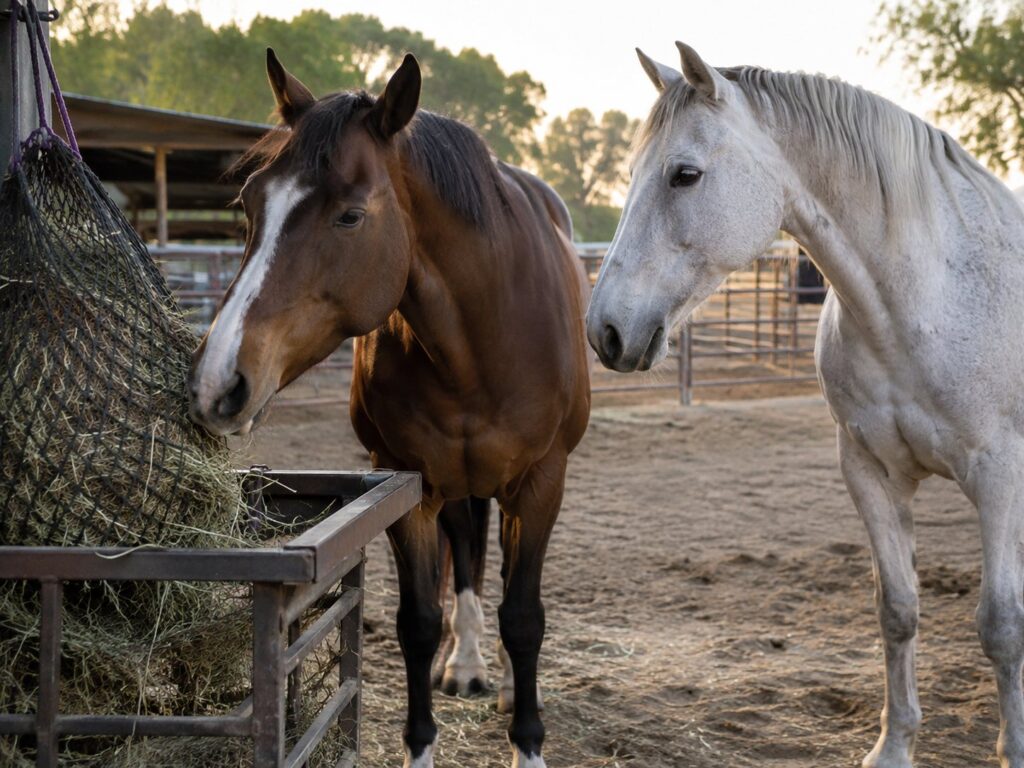
Hoof Support During Recovery
Comfort Changes Everything
When people think about treating laminitis, they naturally focus on the damaged tissues inside the hoof. We think about inflammation, radiographs, trimming schedules and nutrition. All of those things matter, but there’s another part of recovery that deserves equal attention.
Comfort.
It may sound almost too simple to deserve its own chapter, yet experience has taught us that a comfortable horse behaves differently from one in pain. A comfortable horse rests more willingly, eats with a better appetite, interacts more normally with companions and, when the time is right, moves with greater confidence. Those aren’t simply welcome improvements. They create the conditions in which healing can take place.
Pain changes the way a horse uses its body. Horses with sore feet naturally shift weight away from painful areas, stand in awkward positions and alter their stride to protect injured tissues. While those adjustments are understandable, they place additional strain on joints, tendons, ligaments and the opposite limbs. Helping a horse become more comfortable isn’t simply about easing suffering. It also reduces many of the secondary stresses that develop while the hoof is trying to repair itself.
Comfort comes from many directions. Appropriate pain management prescribed by your veterinarian is often the first step. Deep, supportive bedding cushions painful feet and encourages the horse to rest. A calm environment, predictable routines and the company of familiar horses reduce emotional stress, which is every bit as real as physical discomfort. Together, these measures allow the horse to relax instead of constantly guarding painful feet.
Supporting the hoof itself is equally important. Damaged laminae are being asked to support the weight of an animal that may weigh 500 kilograms or more. Every step, every shift in weight and every turn places additional forces on tissues that are already compromised. The goal isn’t to eliminate those forces—that simply isn’t possible—but to reduce them, distribute them more evenly and make standing and moving less painful while healing progresses.
This is where therapeutic hoof boots have transformed the lives of many horses.
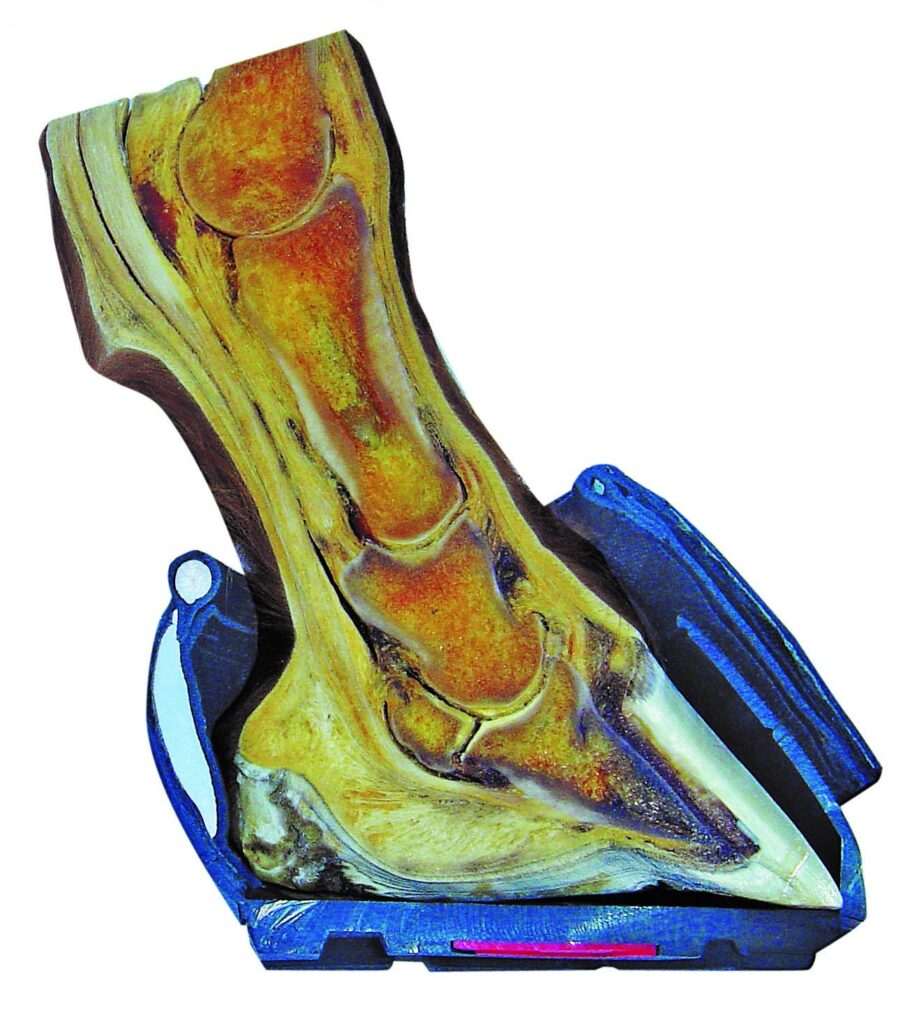
One of the greatest advantages of a removable hoof boot is its flexibility. Support can be tailored to the individual horse, and different pads can be selected as comfort and healing change. Unlike a permanently attached shoe, a hoof boot can be removed for examination, cleaning, trimming and adjustments to the treatment plan, giving both the veterinarian and hoof-care professional greater flexibility throughout recovery. Over the years, we’ve watched countless horses take their first comfortable steps after supportive boots and pads were fitted. It’s difficult to describe unless you’ve witnessed it yourself. A horse that has been standing rigidly suddenly lowers his head. The muscles through the neck soften. The constant shifting from one foot to another becomes less frequent, and those tentative, painful steps become quieter and more confident.
The laminitis hasn’t disappeared. The horse is simply comfortable enough to begin using the foot more naturally again.
Moments like these remind us why Cavallo began making hoof boots. It was never about replacing the veterinarian, farrier or trimmer. It was about asking a simple question:
“How can we make this horse more comfortable today?”
Sometimes that single improvement changes everything—not because it cures the disease, but because it allows the horse to rest, move appropriately and participate in its own recovery. Hoof boots are an integral part of a larger plan, but can’t compensate for poor nutrition, inappropriate trimming or an undiagnosed metabolic disorder. Like every tool discussed in this Companion, they work best as part of a thoughtful programme that supports the whole horse rather than focusing only on the feet.
Keeping Boots Fresh: Apple Cider Vinegar
Once a horse is moving better in boots, the next question is a natural one:
“Can I leave them on 24/7?”
Cavallo Hoof Boots can be left on nearly 24/7 during turnout. The comfort they provide matters, because movement is necessary for healing, and your veterinarian can guide how much and when. We recommend taking the boots off at least once a day to check the hoof for any signs of irritation and to rinse or air out the boots.
Worn around the clock, boots need a little care. Air circulation is crucial to prevent the build-up of fungal growth and bacteria, so watch for anaerobic (oxygen-poor) conditions during rehab and try to balance comfort and protection with breathability. The boots can handle moisture and mud, and their slots allow for drainage and air flow.
The goal isn’t to leave the boots on and forget them. It’s to keep the hoof healthy inside them.
When boots are worn around the clock, one simple step can reduce the risk of bacterial problems: mix a solution of 50 percent apple cider vinegar and 50 percent water, and spray it into the boot and onto the hoof sole. We recommend doing this daily to help prevent bacterial build-up inside the boots. As always, check with your veterinarian before beginning any hoof-care routine.
Pastern protection helps too. When boots are worn full-time, Pastern Wraps, Comfort Sleeves or vet wrap can help prevent irritation and provide extra support. In wet winter months, use athlete’s foot powder to reduce moisture.

Boots for laminitis
Comfort Is Part of Recovery
- Removable, so the hoof can be examined, cleaned and trimmed
- Pads you can change as your horse’s comfort and healing change
- Sized to the hoof after a fresh trim: measure first
Boots are one part of a larger plan. Work with your veterinarian and hoof-care professional.
Recovery: Movement & Trimming
Returning to Movement
As healing progresses, movement becomes part of the treatment rather than something to avoid. It usually begins quietly: a few comfortable steps around the stall, a short walk to fresh bedding or a few minutes standing outside in the sunshine. Eventually, under veterinary guidance, carefully controlled hand-walking or turnout in a small paddock may be introduced. Every stage should be guided by your horse’s comfort, veterinary recommendations and the healing taking place inside the hoof—not by the calendar. No timetable applies to every horse. Some are ready to begin moving within weeks, while others require much longer protection. The severity of the laminitis, the amount of structural damage, the underlying cause and the horse’s overall health all influence when movement can safely increase. Trying to rush the process rarely helps and may set recovery back.
Horses are remarkably honest about how they feel if we’re prepared to watch and listen. A horse moving freely with relaxed, confident strides tells a very different story from one that shortens its stride, hesitates on firm ground or continually searches for softer footing. Those quiet observations, together with regular veterinary assessments and follow-up radiographs when appropriate, provide the best guide for making thoughtful decisions about exercise and turnout.

Few moments are more rewarding than watching a horse rediscover the pleasure of movement. The first comfortable walk across the paddock, the quiet curiosity to investigate something new or the relaxed graze beside familiar companions are all signs that life is beginning to feel normal again. Those moments are worth celebrating because they remind us that recovery isn’t measured only by radiographs and hoof growth. It’s measured by the return of confidence, comfort and the simple joy of being a horse.
Everything in One Place
Trimming: Growing a New Hoof
Its tempting to believe that a trim can fix laminitis. If only it were that simple.
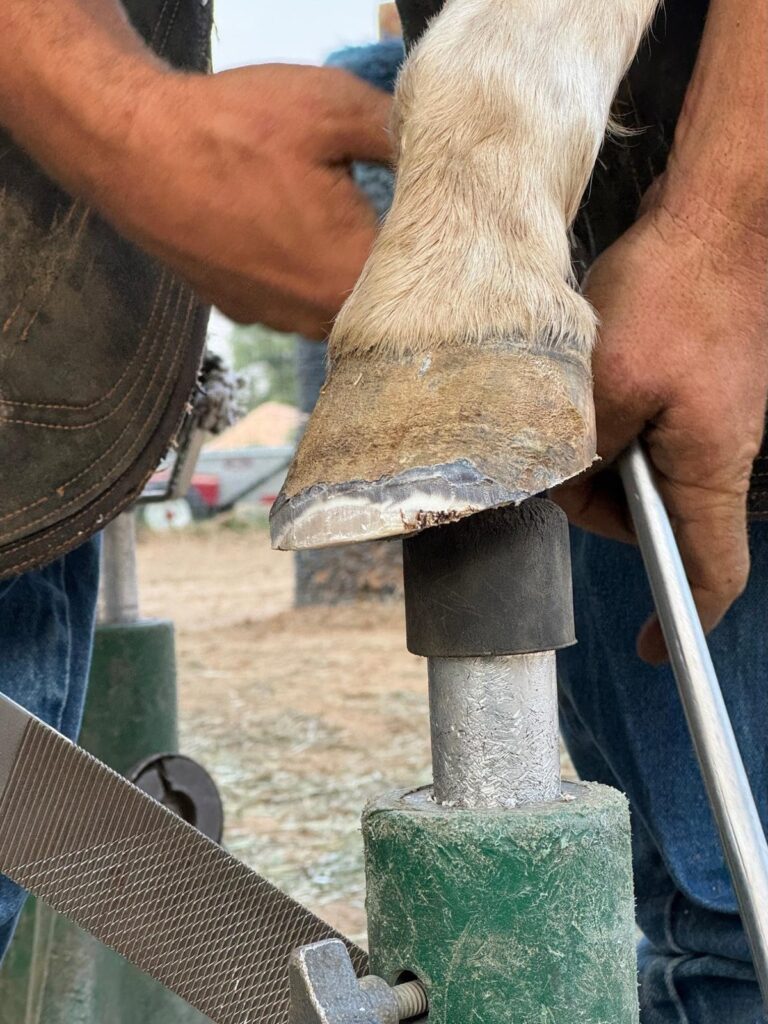
A trim can’t repair damaged laminae or return the coffin bone to its normal position overnight. Those tissues heal at their own pace, while an entirely new hoof capsule slowly grows from the coronary band to the ground. Depending on the severity of the damage, that process may take many months. Trimming doesn’t reverse the injury. It creates the best possible conditions for healthy hoof growth. Think of it as guiding the journey rather than correcting the past.
As new hoof wall grows down, your hoof-care professional makes careful adjustments to improve balance, reduce unnecessary leverage on damaged tissues and encourage more comfortable movement. To the untrained eye, one trim may look very much like the last, yet those small adjustments gradually influence the shape, strength and function of the entire hoof.
Like so much of laminitis rehabilitation, success comes from a series of thoughtful decisions rather than one dramatic intervention. Radiographs play an essential role because they reveal what can’t be seen from the outside. While the hoof wall tells part of the story, X-rays show the relationship between the hoof capsule and the coffin bone, allowing your veterinarian and hoof-care professional to make decisions based on what’s happening inside the foot, not simply what appears on the outside. Progress can feel frustratingly slow. A healthier hoof grows only a few millimetres each month. Yet those millimetres accumulate. Looking back at photographs taken several months apart often reveals remarkable changes that are almost impossible to appreciate from week to week.
The Future of Gait Analysis
Monitoring Recovery with Technology
For decades, veterinarians have relied on clinical examination, experience, radiographs and visual gait assessment to evaluate horses with laminitis and other musculoskeletal conditions. These remain the foundation of good veterinary care. Yet visual assessment has inherent limitations. Even the most experienced clinicians cannot accurately quantify the forces acting beneath each hoof or consistently detect subtle changes in limb loading that may occur long before they become obvious to the eye.
For the first time, wearable technology is making objective gait analysis practical outside the laboratory.
Developed through a collaboration between Consteed and Cavallo, the Consteed Smart Hoof Boot™ is the world’s first wearable equine gait analysis system, integrating advanced force-sensing technology into the Cavallo Trek hoof boot. Instead of requiring a horse to walk across a stationary laboratory force plate, seven sensors positioned within the sole of the Cavallo Boots continuously measure how each limb interacts with the ground while the horse moves naturally.
Research published in The Veterinary Journal demonstrated the system’s ability to objectively measure key biomechanical parameters, including:
- Peak vertical force
- Peak vertical pressure
- Impulse (force over time)
- Peak loading rate
- Stance time
- Swing time
- Stride duration
- Gait symmetry
These objective measurements allow veterinarians to evaluate limb loading, monitor rehabilitation, assess the effectiveness of treatment, and demonstrate subtle changes over time that may be difficult—or impossible—to detect through visual observation alone.
The implications extend well beyond laminitis. The Consteed Smart Hoof Boot™ has the potential to assist in the evaluation of subtle or intermittent lameness, monitor recovery following injury or surgery, assess treatment outcomes, support rehabilitation programmes, and provide objective biomechanical information during pre-purchase examinations or performance evaluations.
Technology will never replace the knowledge, experience and clinical judgement of veterinarians or skilled hoof-care professionals. What it provides is something equine medicine has long needed: objective, repeatable measurements of how a horse is loading its limbs while moving in the real world.
Instead of asking, “Does this horse look better?” veterinarians can begin asking, “What do the measurements show?” That shift from subjective observation to objective analysis represents an important step forward in equine diagnostics and rehabilitation.
The best outcomes still come from teamwork. Veterinarians, hoof-care professionals and owners each see a different part of the picture. When those observations are shared, every trim, every radiograph and every small improvement builds on the last.
Can Horses with Laminitis Graze Again?
One of the hardest moments for many owners comes when they close the gate behind a horse that has always lived on pasture. It can feel as though one of the greatest pleasures of being a horse has been taken away. Grazing is far more than eating. It’s how horses spend much of their day, how they socialise, explore their surroundings and simply enjoy being horses. It’s no surprise that one of the first questions owners ask is whether their horse will ever be able to return to grass. The answer is encouraging.
Many horses do return to pasture. When they do depends on the individual horse, the cause of the laminitis and how well the underlying condition is being managed. A horse recovering from a severe illness may eventually return to a normal pasture routine, while one with Equine Metabolic Syndrome (EMS) or insulin dysregulation may always require more careful management. The goal isn’t to avoid grass forever. It’s to understand when it’s safe and how much your horse can tolerate.
Grass is a remarkable source of nutrition, but it’s constantly changing. Sugar levels vary not only from season to season, but from day to day. Weather, sunlight, drought, frost, rainfall, soil conditions and the stage of growth all influence the level of non-structural carbohydrates (NSCs). A pasture that was perfectly safe a month ago may present a very different level of risk today. Successful pasture management depends on observation rather than rigid rules. Instead of asking whether pasture is good or bad, ask whether today’s conditions are suitable for this horse. That small shift in thinking leads to better decisions and more successful long-term management.
Small changes can make a remarkable difference. Restricting grazing time, introducing pasture gradually, using a well-fitted grazing muzzle or creating a track system allows many horses to enjoy turnout while limiting excessive grass intake. Others benefit from spending part of the day on a dry lot with low-sugar hay before joining their companions for carefully supervised grazing. There is no single strategy that suits every horse, but there are many ways to balance safety with quality of life. OSU Extension: pasture-associated laminitis
Recovery doesn’t end when the horse becomes sound. For many horses, laminitis changes management for life—not because we want to limit their freedom, but because we better understand the factors that contributed to the disease in the first place. Good management isn’t about saying “no” to everything your horse enjoys. It’s about finding safe ways to say “yes.”
Not Sure Which Boot Suits Your Horse?
Our laminitis page lists every boot and pad, with sizing help. Boots are one part of a larger plan, so keep your veterinarian and hoof-care professional in it.
Looking Ahead
Some of the happiest phone calls we receive aren’t from people buying hoof boots. They’re from someone saying,
“My horse is back out with the herd.”
They’re not calling because they need advice. They’re calling because they want to share the moment with someone they know will truly understand.
At Cavallo, we’ve walked alongside thousands of people through the uncertainty of laminitis. We’ve celebrated the first comfortable steps, the first turnout, the first eager walk to the gate, and finally, the day a horse lowers its head to graze beside its companions as though nothing extraordinary ever happened. These moments never become ordinary to us. They remind us why we do what we do.
Every careful decision, every difficult day, every setback, every small victory, and every month of patient management has been leading to this moment—not simply a sound horse, but a horse that is comfortable, confident and able to enjoy life again. For us, that’s always been the real measure of success.
Helping horses move comfortably has always been our business. Watching them return to simply being horses has always been our greatest reward.
Final Thoughts
No one hopes to become an expert in laminitis.
Most people arrive here unexpectedly, frightened by a diagnosis they never imagined hearing. Yet something begins to change. Fear gives way to understanding. Instead of reacting to every setback, you begin observing your horse with new confidence. You notice the small changes that matter: a quieter digital pulse, healthier hoof growth emerging from the coronary band, a more comfortable stride across the paddock. Recovery teaches patience, and horses have an extraordinary way of rewarding it.
If there’s one message we hope you take from this Companion, it’s this:
A diagnosis of laminitis is not the end of the story. With knowledge, patience, good veterinary care and thoughtful management, many horses return to comfortable, active and fulfilling lives. They may not be the same horse they were before, but they can still enjoy the things that matter most—moving comfortably, spending time with their companions and simply being horses.
Frequently Asked Questions
What is laminitis?
Laminitis describes damage to the laminae, the remarkable tissues that suspend the coffin bone inside the hoof capsule.
What are early warning signs of laminitis?
Some horses show only one or two subtle changes before becoming obviously lame. If your horse simply doesn’t seem right—especially if they’re shifting weight, reluctant to move or standing differently than usual—trust your instincts and contact your veterinarian.
What causes laminitis in horses?
Today, veterinarians recognise that many cases are linked to underlying endocrine or metabolic disease, particularly insulin dysregulation, Equine Metabolic Syndrome (EMS) and Pituitary Pars Intermedia Dysfunction (PPID).
What is the difference between laminitis and founder?
Laminitis describes damage to the laminae, the remarkable tissues that suspend the coffin bone inside the hoof capsule. Founder occurs when that damage progresses to the point where the position of the coffin bone changes. The bone may rotate, sink or, in some cases, both. Every horse that founders has experienced laminitis, but not every horse with laminitis will founder.
What should I do if I suspect laminitis?
If you think your horse may have laminitis, the first and most important step is to contact your veterinarian. Early intervention can make a significant difference, and working together with your veterinarian and hoof-care professional gives your horse the best opportunity for a successful recovery.
Can horses with laminitis graze again?
Many horses do return to pasture. When they do depends on the individual horse, the cause of the laminitis and how well the underlying condition is being managed.
Ready to choose?
Find the Right Boot for Your Horse
Measure after a fresh trim, then choose a boot and pads that suit your horse. Our laminitis page lists them all in one place.
Sources
- Merck Veterinary Manual — Laminitis in Horses
- Merck Horse Owners — Disorders of the Foot
- ACVS — Laminitis in Horses
- AAEP — Learn to Recognize the Signs of Laminitis
- OSU Extension — Pasture-associated laminitis
- Keller, J., Hassenstein, M. J., Jung, K., & Geburek, F. (2026). Equine lameness detection and monitoring during diagnostic anaesthesia with an instrumented hoof boot. The Veterinary Journal, 317, 106614.