
 Cavallo – Proudly Canadian, family owned
'/%3E%3Cpath d='m164.46 164.49 176.32 178.668c13.069 13.17 36.85 13.014 49.643.12l176.199-177.35M170.515 451.566 305.61 313.46m252.358 136.514L426.515 315.375' style='fill:none;stroke:%23fff;stroke-width:30.65500069' transform='translate(-145.33 -145.33)'/%3E%3C/svg%3E)


Winter Hoof Care Tips for Horse Owners!
Winter Hoof Care Tips for Horse Owners!
By your Cavallo Team

Winter hoof care often feels like its own discipline! Not only are we dealing with frozen water troughs, muddy paddocks, icy pathways, and rock-hard footing, but we also have to consider how winter conditions affect our horses’ hooves. Once the ground freezes and moisture levels rise, minor issues can escalate quickly unless you stay ahead of them with a consistent routine.

The Foundation Beneath Every Hoof
A correct, regular trim is the foundation of all hoof care. Even though many horses work less in winter, their hooves continue to grow, and a longer trim cycle allows the capsule to creep forward. That shift affects breakover, alters loading patterns, and increases strain on internal structures, such as the deep digital flexor tendon and the laminae.
Keeping trims on schedule helps maintain balance, preserves proper hoof mechanics, and supports more secure footing on unpredictable winter ground.

Moisture: A Silent Saboteur of Hoof Health
If you live in a wet climate, preventing thrush and white line disease becomes even more critical. Winter brings mud and slush, along with ice and snow, and cold weather doesn’t stop bacterial activity, especially when paddocks stay damp and muddy. Using a non-caustic antibacterial product regularly helps protect the frog and central sulcus without harming healthy tissue. Daily cleaning and treating the deeper areas of the frog can help prevent infection when the hoof is harder to regenerate damaged structures.
It Isn’t Just Cold – It’s a Nutritional Test
Nutrition is especially important during the winter months. Horses burn more calories to stay warm, and they miss out on nutrients found in fresh pasture, including essential vitamin E. Hay-based diets are often low in the minerals required for strong keratin formation and healthy hoof horn. Providing balanced zinc, copper, essential amino acids, and adequate vitamin E supports growth and keeps the hoof more resilient against seasonal stressors.

Barefoot or Shod — Winter Wants Hoof Boots
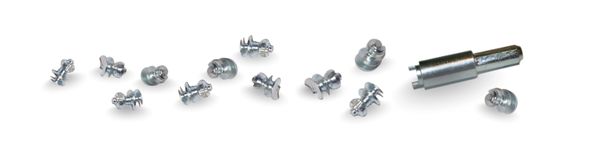
Once you’ve covered your foundations for strong winter hooves, it’s worth considering when additional support may be helpful. Winter is one of the seasons where hoof boots can make a noticeable difference in your horse’s comfort. Boots provide dependable traction on snow, ice, and frozen ground, and you can add ice studs when conditions become especially slick.
Many people also turn their horses out in boots on icy days. If your horse is shod over winter, Cavallo Hoof Boots can even be used over top to improve traction and prevent snowballing or “ice stilts.” Beyond grip, boots offer cushioning over hard, uneven, and frozen surfaces, which helps both during turnout and under saddle.
Cavallo boots are also frequently used to improve comfort for horses dealing with Winter Laminitis. Adding hoof boot pads can redistribute pressure and further soften impact, allowing the horse to stay mobile while the hoof stabilizes.
Why the Coldest Months Set Horses Up for a Successful Barefoot Transition
Winter can be one of the most supportive seasons to transition a horse out of metal shoes and into barefoot mode, supported by hoof boots.
Many owners already choose to pull metal shoes during the winter months to give their horses a break, especially as riding and workload naturally decrease. With fewer miles and more consistent routines, the hoof grows more slowly and has more time to rebalance and strengthen without the pressure of peak-performance demands. Using hoof boots for protection and traction as needed allows the transition to happen comfortably and deliberately. This turns a seasonal pause into a positive reset – and heads horses into spring stronger, more confident, and better prepared for the year ahead.
Winter Rewards Steady and Consistent Horse Care
When trimming, nutrition, thrush management, and protective booting all work together, your horse can move more comfortably and avoid many of the seasonal hoof and horse health issues that tend to appear in cold weather. A steady routine carries horses through winter in far better shape and sets the stage for healthier hooves come spring.
What are some of your favourite winter hoof-care tricks?
